Eyebrow Text Here
Lorem ipsum dolor sit amet elit
Lorem ipsum dolor sit amet, consectetur adipiscing elit, sed do eiusmod tempor incididunt ut labore et dolore magna aliqua. Ut enim ad minim veniam, quis nostrud exercitation ullamco laboris nisi ut aliquip ex ea commodo consequat. Duis aute irure dolor in reprehenderit in voluptate velit esse cillum dolore eu fugiat nulla pariatur.
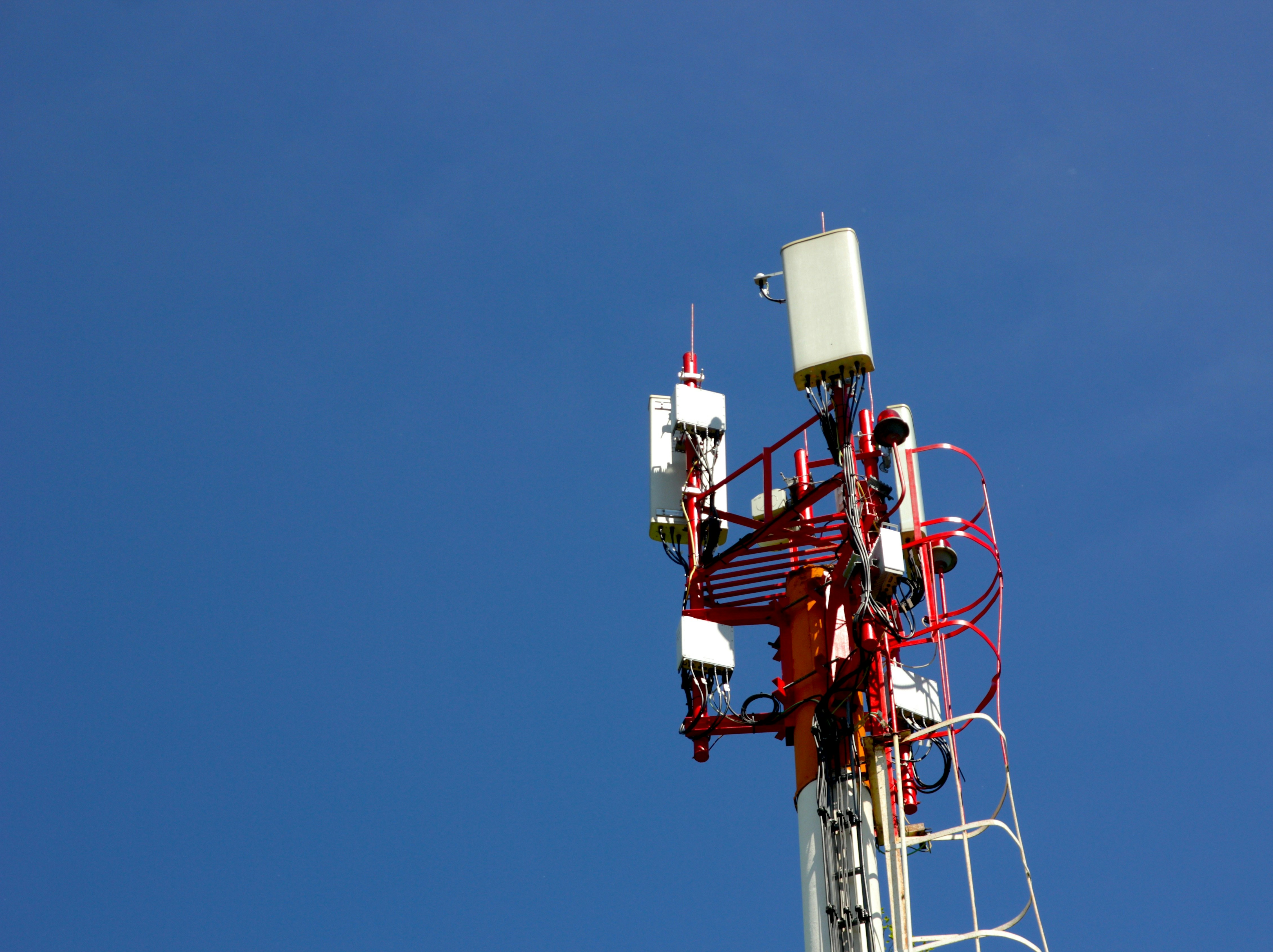
The most consequential business risks - those that influence an organization’s reputation, legitimacy, and long-term success - rarely appear without warning.
They begin as signals.
A shift in public sentiment. A policy discussion gaining momentum behind closed doors. An emerging issue attracting attention among investors, regulators, employees, or stakeholders long before it reaches the headlines. Individually, these developments can appear disconnected. Collectively, they often become the forces that shape a company’s future.
The challenge for leaders is not that these signals are impossible to see, but the risk is assuming that what matters most will naturally make its way into the boardroom or executive suite.
Success can create its own blind spots. Management teams become understandably focused on operations, growth, customers, markets, and execution. Boards focus on governance and oversight. Together, they work to move the business forward.
But the environment around them continues to evolve.
Today, influence moves quickly across governments, media, capital markets, institutions, advocacy groups, and digital networks. An issue that begins in one corner of the landscape can rapidly gain traction elsewhere. What appears to be a manageable challenge one day can become a defining issue the next.
This is why preparedness is no longer simply about having a response plan.
It is about understanding the environment before an issue escalates. Before it becomes a crisis.
The organizations that navigate uncertainty most effectively are often those that recognize risks earlier, understand stakeholder perspectives more completely, and appreciate how external forces are converging before they become impossible to ignore.
That requires perspective from beyond the walls of the organization itself.
The most valuable advisors are not those who merely validate existing assumptions. They are those who bring a different lens. They see developments across industries, governments, capital markets, communities, and media ecosystems. They connect trends that may appear unrelated. They identify risks that have not yet appeared on a dashboard and opportunities that may not yet be obvious.
In many respects, their role is to serve as an organization's external field of vision. They merge experience from across government, business, public affairs, communications, and capital markets. They understand how decisions are formed, how influence moves, and how issues evolve long before they become front-page news. That breadth of perspective allows advisors to help leaders understand not only what is happening, but why it is happening and what may come next.
The objective is not simply to manage challenges when they arise. It is to help leaders anticipate change, make better decisions, and position their organizations for long-term success in an environment defined by uncertainty. In today's environment, competitive advantage often belongs to those who see what others have not yet recognized.
And by the time a signal becomes impossible to ignore, the most important decisions have often already been made.